
Why Our Customers Choose Us?

Customized Solutions

Timely Response

Quality Products

Transparent Pricing
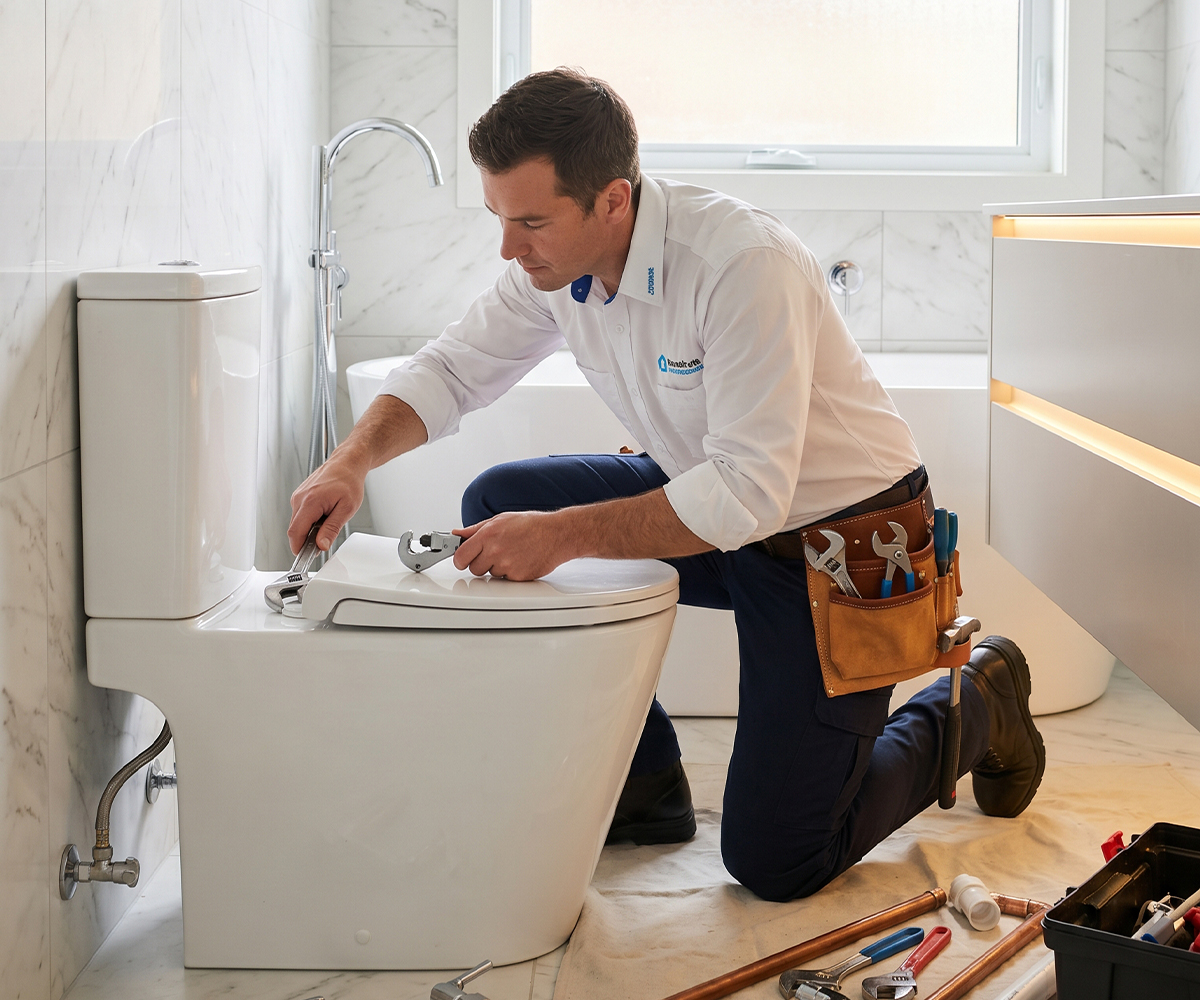
A running toilet is not a minor inconvenience in Santa Fe. The city is in a semi arid region where water conservation is a genuine civic priority, and a toilet that runs continuously wastes a meaningful amount of water every single day. Beyond the conservation concern, most Santa Fe homeowners are also on municipal water billing, which means that constant internal leak shows up in the water bill month after month. The hard water from Santa Fe's supply also does specific things to toilet components over time. Mineral deposits build up on the flapper seat, preventing a proper seal. Float valves accumulate scale and eventually fail to shut off reliably. What starts as an occasional running sound becomes a constant one, and then the repair becomes more involved than it would have been caught early. Local toilet installation and repair Santa Fe homeowners can count on addresses the repair at the right level, whether that is a simple component replacement or a full installation.
Toilet Repair: Warning Signs and What We Fix
Most toilet problems give signals before they become serious. Recognizing them early keeps a simple repair from turning into a water damage situation or a full replacement when the component could have been addressed much sooner.
Running Toilet
A toilet that continues to run after the tank fills, or that runs intermittently without flushing, is leaking internally from the tank to the bowl. The most common causes are a worn flapper that does not seal against the flush valve seat, a fill valve that fails to shut off completely, or a float that is set too high, keeping the water level above the overflow tube. We diagnose which component is responsible before replacing anything, because the repair is different for each cause and a misdiagnosis means the problem continues after the service call.
Weak or Incomplete Flush
A toilet that does not flush with adequate force, or that requires multiple flushes, usually has a clogged rim or a partially blocked drain passage. In Santa Fe, mineral buildup from hard water is a frequent contributor to blocked rim jets around the inside of the bowl. We clear the blockage and test the flush before completing the call. If the issue is a partial blockage in the drain line rather than the toilet itself, that requires a different approach and we identify which situation you have during the diagnosis.
Toilet That Rocks or Leaks at the Base
A toilet that rocks when sat upon has either loose floor bolts or a deteriorated wax ring at the base. A leak at the base of the toilet, which often shows as discoloration on the flooring or a damp area around the base, indicates the wax ring has failed and sewer gas and waste water are escaping at the floor connection. This is a repair that should not wait. We reseat the toilet on a fresh wax ring, check the condition of the floor flange, and ensure the toilet is properly secured before completing the job.
Cracked Tank or Bowl
Hairline cracks in the tank or bowl are not always immediately visible but produce a slow seep that can damage the flooring underneath over time. A toilet with a confirmed structural crack is typically replaced rather than repaired because patching porcelain is not a reliable long term fix for a water-bearing component under regular use.
TOILET INSTALLATION SECTION
Toilet Installation in Santa Fe Homes
Toilet installation, whether as a replacement for a failing unit or as part of a bathroom renovation, involves more than setting the fixture in place and connecting the supply line. The floor flange condition, the wax ring selection for the floor height, the supply line connection, and the fit to the rough in dimensions all affect whether the installation functions correctly and lasts without leaks.
Choosing the Right Toilet for Santa Fe's Water Conditions
Santa Fe's hard water affects different toilet designs differently. Toilets with exposed internal mechanisms that contact the water directly are more vulnerable to mineral buildup than models with enclosed or sealed flush systems. High efficiency toilets that use 1.28 gallons or less per flush can contribute to water conservation goals that are meaningful in this part of New Mexico, though the internal mechanisms of low flow designs vary in their durability under hard water conditions. We can advise on models that have performed reliably in local conditions.
Installation Process
We set the wax ring appropriate to the floor height and flange condition, position the toilet over the floor bolts, and seat it evenly without rocking. The floor bolts are tightened to secure the toilet without cracking the porcelain base. The supply line is connected and checked for leaks. The tank fill and flush mechanisms are adjusted for the correct water level and flush performance. We test the installation through multiple flush cycles and check all connection points before completing the job.
Floor Flange Condition
The floor flange is the fitting embedded in the floor that the toilet bolts to and the wax ring seals against. In older Santa Fe homes, cast iron or galvanized flanges may be corroded, cracked, or sitting below the finished floor level due to successive flooring installations over the years. A flange in poor condition needs to be addressed at the time of toilet replacement rather than simply installing a new toilet over a failed connection point. We assess the flange during removal of the old toilet and address any issues before setting the new one.
Toilet Maintenance for Santa Fe Homeowners
Hard Water and Toilet Components
Santa Fe's mineral-heavy water deposits calcium and magnesium scale on the flapper, the flush valve seat, the fill valve, and the rim jets over time. A flapper that sits on a scaled valve seat does not form a proper seal and allows constant seepage from tank to bowl. Periodic cleaning of the interior components and replacement of worn parts before they fail completely is a more cost-effective approach than waiting for a component failure that runs water continuously for weeks before it is noticed.
Water Conservation in a Semi-Arid Climate
Santa Fe sits in a region where water is a genuinely limited resource. The city's long-term water planning accounts for the aquifer levels and surface water allocations that support the municipal supply. Older toilets that use three and a half gallons per flush or more represent a meaningful efficiency gap compared to current WaterSense-certified fixtures. Replacing an aging toilet as part of a planned upgrade rather than waiting for failure is both a practical and a conservation-minded choice for Santa Fe homeowners.
To test whether your Santa Fe toilet is running internally without being able to hear it clearly, put a few drops of food coloring in the toilet tank and wait 10 to 15 minutes without flushing. If color appears in the bowl during that time, water is seeping past the flapper into the bowl continuously. This is a slow internal leak that does not produce the audible running sound of a high-flow leak but still wastes water steadily. In Santa Fe's hard water environment, flapper deterioration from mineral buildup is one of the most common causes of this kind of invisible running, and replacing a worn flapper is a straightforward fix.
Toilet Repair and Installation Done Right in Santa Fe
A toilet that runs, rocks, or does not flush properly is not something to put off in a water-conscious city. Home Repairs Made Easy Inc handles toilet repairs and full installations for Santa Fe homeowners with the attention to detail that adobe homes, hard water conditions, and older plumbing infrastructure require. Call us for a diagnosis and an honest assessment of whether repair or replacement makes more sense for your situation.
Frequently Asked Questions
How do I know if my toilet needs repair or full replacement?
Repairs make sense for specific failed components, a running toilet, a leaking supply line, a failed flapper or fill valve, or a rocking toilet that needs a new wax ring. Replacement makes more sense when the toilet has a confirmed structural crack, when it has required multiple repairs in a short period, when it is an older high-volume model that is inefficient, or when a bathroom renovation makes it the right time for a new fixture.
Can mineral buildup from Santa Fe's water damage a toilet permanently?
Mineral scale can damage internal components over time if it is not addressed. Flappers, fill valves, and rim jets are most affected. The porcelain bowl and tank itself is not damaged by hard water, but the functional mechanisms inside are. Periodic maintenance and component replacement as needed keeps the toilet functioning correctly despite the water conditions here.
Why does my toilet run randomly without flushing?
Intermittent running without flushing, sometimes called phantom flushing, is caused by water slowly seeping from the tank into the bowl past a worn flapper until the water level drops enough to trigger the fill valve. The fill valve then refills the tank briefly, which produces the running sound. It cycles this way repeatedly. Replacing the flapper resolves this in most cases, though if the flush valve seat itself is scaled or damaged, that may need attention as well.
What is involved in toilet replacement in an older Santa Fe home?
The main additional considerations in older homes are the condition of the floor flange, which may be corroded or sitting below the finished floor level after years of flooring installations, and the rough-in distance from the wall to the center of the drain, which determines which toilet models will fit without adjustment. We assess both during the old toilet removal and address any issues before setting the new fixture.
Do you dispose of the old toilet?
Yes. We remove the old toilet and handle disposal as part of the installation service. You do not need to arrange for disposal separately.

 Serving Santa Fe, NM and Surrounding Cities